“`html
Small Garden Makeover Ideas: Transforming Your Tiny Outdoor Space into a Sanctuary
Let’s be honest for a second. When you look out your back door and see a compact patio, a narrow side yard, or a tiny balcony, it’s easy to feel a bit discouraged. You see those sprawling estate gardens on Pinterest with their rolling lawns and massive rose tunnels, and you think, “I could never do that here.”
But here is a secret from a seasoned garden designer: Small gardens are actually a blessing in disguise.
Think about it. In a large garden, you are constantly battling the elements, the weeds, and the sheer scale of the maintenance. In a small garden, every single square inch is an opportunity for detail. Every plant you choose, every tile you lay, and every light you hang has a massive impact. A small garden allows you to create an intimate, high-end “outdoor room” that feels like a cozy extension of your home rather than a wild field you have to tame.
In this comprehensive guide, I’m going to walk you through everything you need to know to take your small garden from “cramped and cluttered” to “chic and cozy.” We’re going to cover design psychology, vertical solutions, furniture hacks, and the specific plants that punch above their weight in small spaces. Grab a coffee, and let’s start dreaming big for your small space.
1. The Psychology of the “Garden Room”
The biggest mistake people make with small gardens is trying to treat them like miniature versions of large gardens. They try to put a little patch of grass in the middle, a tiny border around the edge, and call it a day. The result? It looks like a shoebox.
Instead, I want you to start thinking about your garden as a room without a ceiling. When you design a living room, you think about zones: where you sit, where you walk, and where the “decor” goes. Your garden should be no different.
Create distinct zones
Even in a tiny space, dividing the area can actually make it feel larger. It sounds counterintuitive, doesn’t it? But by breaking up the sightlines, you prevent the eye from taking in the whole space at once. This creates a sense of mystery and journey. You can create zones using:
- Different flooring materials: A transition from wooden decking to light-colored paving.
- Living dividers: Use tall grasses or a row of potted bamboo to shield a seating nook from the rest of the space.
- Level changes: If your budget allows, raising one area by just six inches can completely redefine the feel of the garden.
2. Maximizing the Vertical Plane
When you run out of floor space, the only way to go is up. Vertical gardening is the absolute “holy grail” for small garden makeovers. If you have fences, walls, or even a sturdy balcony railing, you have a canvas for greenery.
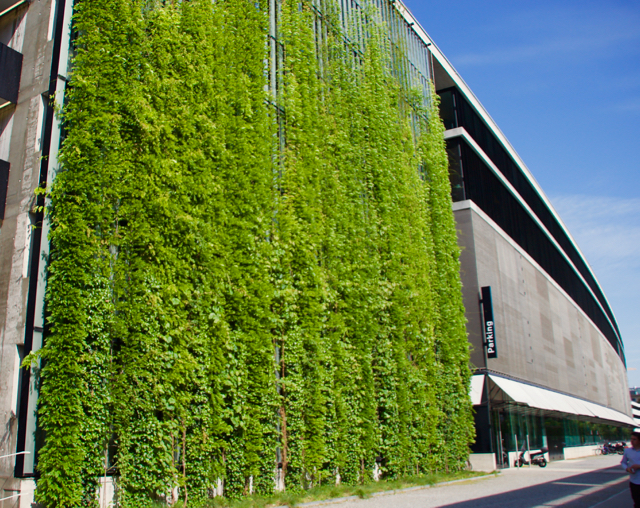
Living Walls and Green Facades
A living wall (or vertical garden) is a system where plants are grown in modular pockets attached to a wall. If a full hydroponic system is too expensive, you can achieve a similar look with “green facades.” This involves installing a simple trellis or wire system and planting fast-growing climbers at the base. Clematis, Star Jasmine (Trachelospermum jasminoides), and Honeysuckle are fantastic choices because they offer both lush greenery and incredible fragrance.
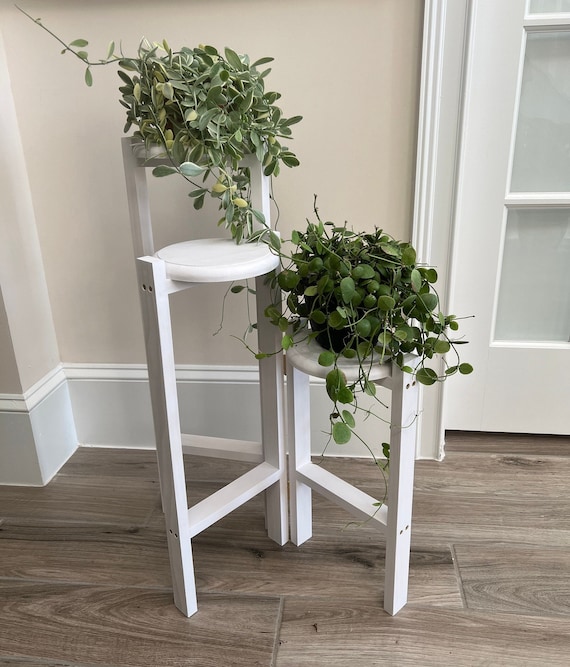
Tiered Plant Stands
Instead of scattering pots across the floor (which creates a tripping hazard and looks messy), use tiered plant stands. A three-tier wooden or wrought iron stand allows you to display nine plants in the footprint of three. This creates a “waterfall” effect of foliage that draws the eye upward, making the walls feel taller and the space more expansive.
3. The Optical Illusions: How to “Trick” the Eye
Designers use several “smoke and mirror” tricks to make small spaces feel twice their size. You can easily implement these during your makeover.
The Power of Mirrors
This is my favorite trick. A weather-proof garden mirror placed strategically on a back wall can instantly “double” the length of your garden. The key is to hide the edges of the mirror with climbing plants or shrubs. This creates the illusion of a “secret doorway” leading into another part of the garden. Just be careful not to place it where birds might fly into it—slightly angling it downwards can help prevent this.
Choose the Right Color Palette
In a small garden, your color choices matter immensely. Cool colors recede, while warm colors advance.
If you paint your back fence a dark, moody color like charcoal or navy, the boundaries of the garden seem to disappear into the shadows, making the space feel deeper. Conversely, using light-colored paving (like silver sandstone or porcelain) reflects light and makes the floor area feel wider. For plants, use whites, pale blues, and soft purples at the far end of the garden to create a sense of distance.
Diagonal Lines
When laying pavers or decking boards, try laying them on a 45-degree angle. Diagonal lines lead the eye across the widest part of the space rather than focusing on the narrow width. This simple shift in geometry can make a cramped rectangular yard feel significantly more spacious.
4. Furniture That Works Harder
In a small garden, every piece of furniture must earn its keep. You don’t have the luxury of “dead space.”
Built-in Seating (The Banquette)
Instead of a bulky outdoor sofa that eats up the middle of your patio, consider built-in “L-shaped” seating along the corner walls. This opens up the center of the garden for movement. Even better? Build the seats with flip-top lids so they double as storage for cushions, garden tools, or bags of potting mix.
The Bistro Set
If you’re working with a balcony or a very small courtyard, skip the full dining table. A classic metal bistro set is lightweight, stylish, and can be folded away when you need space for yoga or gardening. Look for sets in bold colors to add a pop of personality to the space.
5. Planting for Success in Small Spaces
You can’t just pick any plant you like at the nursery. In a small garden, you need plants that provide “multi-season interest” and don’t grow so fast that they take over the house in two months.
The “Big Leaf” Strategy
Here is a counterintuitive tip: Use large-leaved plants. It sounds wrong, doesn’t it? You’d think small plants for small spaces. But a few large, bold leaves (like Fatsia japonica or Hostas) actually make a space feel bigger because they simplify the visual field. Too many tiny, “fussy” leaves can make a garden look cluttered and busy.
The Best Trees for Small Gardens
You can absolutely have a tree in a small garden! You just need to pick the right one. Look for “architectural” trees that stay relatively small or can be pruned easily:
- Japanese Maple (Acer palmatum): Stunning colors and a slow growth rate.
- Amelanchier lamarckii: Provides white flowers in spring, berries in summer, and fiery orange leaves in autumn.
- Olive Trees: Perfect for pots and they bring a Mediterranean vibe.
6. Hardscaping: The Foundation of Your Makeover
If your garden is currently a patch of patchy grass and mud, the single best thing you can do is invest in hardscaping. In a small space, a lush lawn is often more trouble than it’s worth. It’s hard to mow, hard to keep green in the shade of fences, and it gets muddy in the winter.
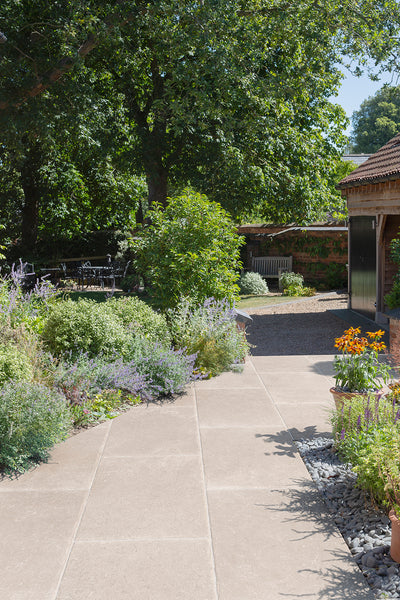
Porcelain Paving
Porcelain is currently the “gold standard” for small garden makeovers. It’s non-porous (so it won’t get mossy and slippery), it comes in very large formats (which minimizes grout lines and makes the space look bigger), and it looks incredibly high-end.
Gravel and Stone
If you’re on a budget, gravel is your best friend. It’s permeable (good for drainage), affordable, and provides a lovely “crunch” sound when you walk on it, which adds to the sensory experience of the garden. Use a high-quality weed membrane underneath to keep it low-maintenance.
7. Lighting: Turning the Garden into a Nighttime Retreat
A small garden truly comes alive at night. With the right lighting, you can highlight the best features and hide the boundaries entirely. This is how you create that “luxury hotel” feel.
Layered Lighting
Don’t just stick one bright floodlight on the back of the house. That will flatten the space and make it look like a parking lot. Instead, layer your light:
- Uplighting: Place small solar or low-voltage LED spotlights at the base of your trees or large pots. This casts dramatic shadows and emphasizes the height of the plants.
- Festoon Lights: Stringing warm-toned bulbs across the garden creates a “ceiling” of light, making the area feel cozy and enclosed.
- Task Lighting: Ensure your BBQ or dining area has enough light to be functional, but keep it soft.
8. Water Features for Small Spaces
The sound of running water is the ultimate way to block out the noise of neighbors or traffic. You don’t need a pond to enjoy water. A simple wall-mounted fountain or a “plug-and-play” water bowl can be a stunning focal point. Not only does it add a sense of calm, but it also attracts birds and insects, bringing life into your small urban oasis.
9. Common Pitfalls to Avoid
As you plan your makeover, watch out for these common “small garden” traps:
- Over-cluttering: It’s tempting to buy every cute ornament at the garden center. Resist! Choose one or two “hero” pieces (a large pot, a beautiful bench) rather than ten small ones.
- Ignoring the View from Inside: Most of the time, you’ll be looking at your garden through a window. Make sure your “focal point” (a beautiful plant or statue) is visible from your favorite spot on the sofa.
- Forgetting Drainage: Small courtyards can easily flood if you pave over everything. Ensure you have adequate drainage or use “permeable” materials like gravel or deck boards with gaps.
10. Maintenance Tips for the Small Garden
The beauty of a small garden is that maintenance usually only takes an hour a week. However, because the space is small, every weed stands out. To keep your makeover looking fresh:
- Mulch your borders: Use bark chips or decorative stones to keep moisture in and weeds out.
- Deadhead regularly: Removing spent flowers encourages plants to keep blooming, giving you more “bang for your buck” in a small space.
- Pot Care: Plants in pots dry out faster than those in the ground. Consider an automated drip irrigation system—they are surprisingly cheap and easy to install yourself.
Conclusion: Your Tiny Oasis Awaits
A small garden makeover isn’t just about plants and paving; it’s about reclaiming a piece of the outdoors for yourself. Whether you want a place to drink your morning coffee, a space to read a book, or a lush backdrop for dinner with friends, your small garden has the potential to be the best “room” in your house.
Don’t let the square footage limit your imagination. Start with a solid plan, choose a cohesive color palette, use your vertical space, and invest in a few high-quality pieces. Before you know it, you won’t be looking at your small garden and seeing what’s missing—you’ll be looking at it and seeing a perfect, private sanctuary.
Now, it’s time to get your hands dirty. Which of these ideas are you going to start with first? Happy gardening!
“`