Steaming Street Corn: The Flavor-Packed Snack Everyone Loves
by
Steaming Street Corn: The Flavor-Packed Snack Everyone Loves
Introduction
In the vibrant tapestry of global street food, few snacks have captured the hearts of food enthusiasts quite like steaming street corn. Known by many names around the world—elote in Mexico, bhutta in India, and corn on the cob in the United States—this humble yet flavorful snack transcends cultural boundaries, offering a unique combination of taste, texture, and tradition. As a beloved staple in street markets, festivals, and backyard barbecues, street corn tantalizes the senses with its smoky aroma, buttery richness, and a medley of spices that deliver a burst of flavor with every bite.
The universal appeal of street corn lies not only in its deliciousness but also in its versatility. Variations of this dish can be found across continents, each with its own distinct twist, reflecting local flavors and culinary customs. Whether slathered in mayonnaise and sprinkled with chili powder in Mexico, roasted with lime and chaat masala in India, or simply brushed with butter and salt in the United States, street corn embodies the essence of comfort food—simple, satisfying, and deeply rooted in cultural identity.
In this exploration of steaming street corn, we delve into its rich history, tracing the journey of this beloved snack from ancient civilizations to modern-day street corners. We examine the technological advancements that have influenced its preparation, from traditional roasting methods to contemporary innovations that have expanded its flavor profile. Through this journey, we celebrate the enduring popularity of street corn and its ability to bring people together, one cob at a time.
Technical History
Ancient Origins
The history of street corn can be traced back thousands of years to the earliest cultivation of maize by indigenous peoples in Mesoamerica. As a staple crop, maize held a significant role in the diets and cultures of civilizations such as the Aztecs and Mayans. Roasting corn over an open flame was one of the earliest methods of preparation, imparting a smoky flavor and preserving the corn for extended periods. The technique of roasting corn spread throughout the Americas, becoming a cornerstone of indigenous culinary practices.
The Spread of Maize Cultivation
With the arrival of European explorers in the Americas during the late 15th and early 16th centuries, maize began its journey across the globe. As maize cultivation spread to Europe, Africa, and Asia, so did the methods of preparing corn. In these new regions, local cultures adapted the traditional roasting techniques to suit their palates, incorporating indigenous spices and condiments. This global dissemination of maize laid the foundation for the diverse variations of street corn enjoyed around the world today.
Industrial Revolution and Technological Advancements
The Industrial Revolution of the 18th and 19th centuries brought significant technological advancements that influenced the production and consumption of street corn. The invention of steam engines and mechanized agriculture facilitated the mass production of maize, making it more accessible to urban populations. During this period, street vendors began to emerge as a vital part of urban life, offering quick and affordable meals to city dwellers. Street corn, with its simple preparation and satisfying taste, became a popular choice among these offerings.
Modern Innovations
In the 20th and 21st centuries, technological innovations continued to shape the preparation and enjoyment of street corn. The introduction of portable grilling equipment and propane stoves allowed for greater mobility and convenience for street vendors. These advancements enabled the creation of new flavor profiles, as vendors experimented with various toppings and seasonings to cater to diverse tastes.
The rise of food trucks and gourmet street food in the late 20th century further elevated the status of street corn. Chefs and entrepreneurs began to reinvent traditional recipes, incorporating global ingredients and culinary techniques to create unique, high-end versions of the beloved snack. From truffle-infused butter to exotic spice blends, modern street corn has become a canvas for culinary creativity, appealing to both traditionalists and adventurous foodies alike.
The Influence of Technology on Corn Cultivation
Parallel to the advancements in street food preparation, technological progress in agriculture has also played a crucial role in the evolution of street corn. Advances in agricultural technology, such as genetically modified crops and precision farming techniques, have increased the yield and quality of maize production. These innovations have ensured a steady supply of corn, enabling street vendors to meet the growing demand and experiment with new flavors and presentations.
The Digital Age and Street Corn
In the digital age, social media and online platforms have further propelled the popularity of street corn. Food bloggers, influencers, and culinary enthusiasts share their creations and experiences, introducing street corn to a global audience. This digital exposure has sparked a renewed interest in traditional street foods, encouraging cross-cultural exchanges and inspiring new culinary trends.
Today, steaming street corn stands as a testament to the rich tapestry of human creativity and cultural exchange. As we continue to innovate and adapt, street corn remains a beloved snack that celebrates the diversity of flavors and traditions from around the world. With each bite, we are reminded of the shared joy and connection that food can bring, making street corn truly a flavor-packed snack that everyone loves.
Steaming Street Corn: The Flavor-Packed Snack Everyone Loves
Steaming Street Corn: The Flavor-Packed Snack Everyone Loves
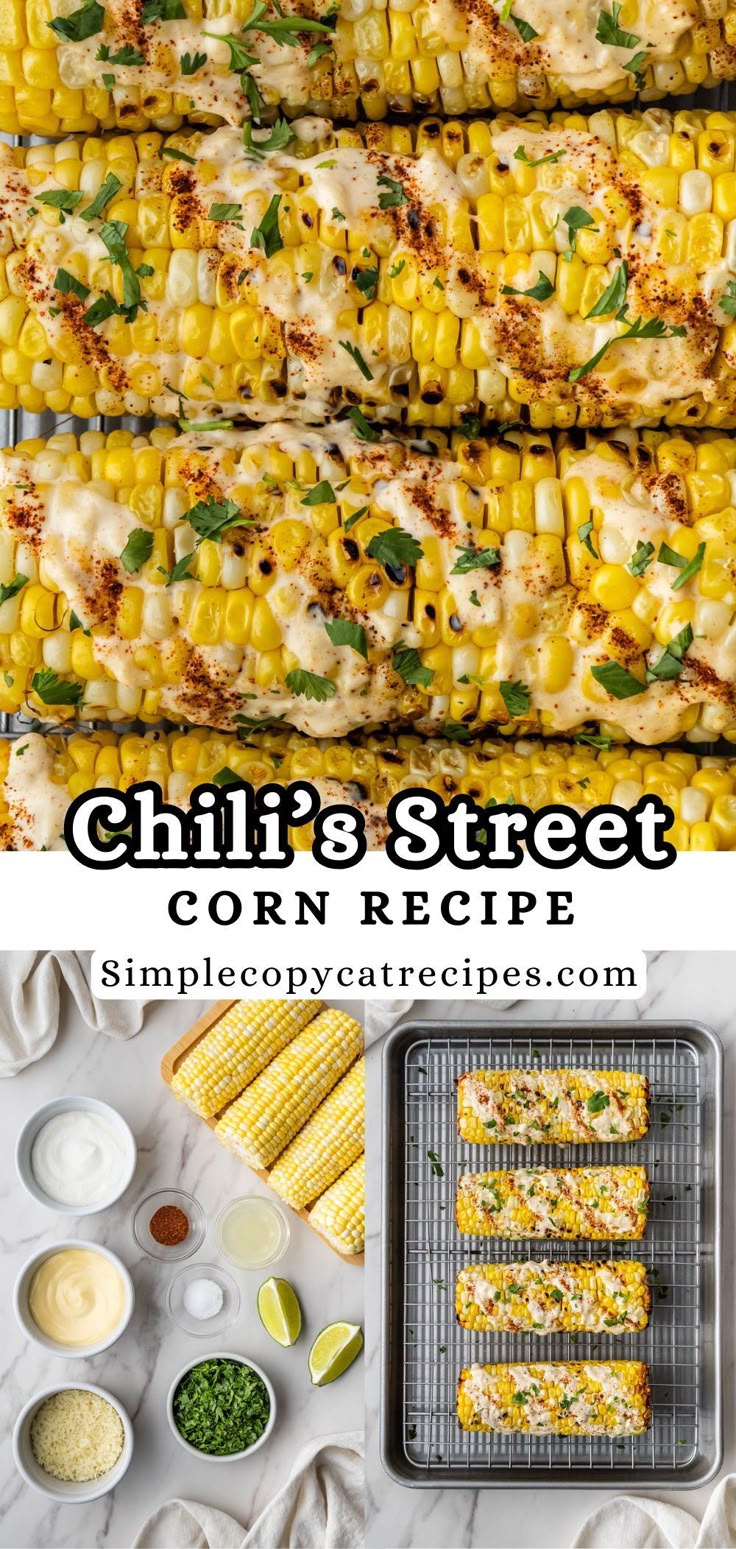
Street corn, often known as “elote” in Mexico, is a delicious and popular snack enjoyed by food lovers around the world. The combination of sweet corn, creamy toppings, spices, and tangy lime creates a flavor explosion that is hard to resist. While street vendors traditionally grill the corn, steaming it can be a quick and easy alternative that still delivers on taste. In this practical guide, we’ll walk you through the steps of preparing steamed street corn at home, ensuring you get that authentic street-food flavor right in your kitchen.
– 1/2 cup mayonnaise
– 1/2 cup sour cream
– 1/2 cup crumbled Cotija cheese (or feta as a substitute)
– 1 teaspoon chili powder
– 1 teaspoon smoked paprika
– 1 lime, cut into wedges
– Fresh cilantro, chopped (optional)
Equipment Needed
– Large pot with a steamer basket or insert
– Mixing bowls
– Tongs
– Knife and cutting board
Step-by-Step Guide to Steaming Street Corn
Step 1: Prepare the Corn
Start by husking the corn and removing all the silk. Rinse the corn under cool running water to ensure it’s clean. Pat the corn dry with a kitchen towel or paper towels.
Step 2: Set Up Your Steamer
Fill a large pot with about 2 inches of water and place your steamer basket or insert inside the pot. Make sure the water doesn’t touch the bottom of the basket. Cover the pot with a lid and bring the water to a boil over medium-high heat.
Step 3: Steam the Corn
Once the water is boiling, carefully place the ears of corn into the steamer basket using tongs. Cover the pot again and steam the corn for 8-10 minutes, or until the kernels are tender and bright yellow. Be sure to check occasionally to ensure there’s still enough water in the pot.
Step 4: Prepare the Toppings
While the corn is steaming, mix the mayonnaise and sour cream in a small bowl until well combined. In another bowl, combine the chili powder and smoked paprika. Set these aside along with the crumbled Cotija cheese, lime wedges, and chopped cilantro.
Step 5: Assemble the Street Corn
Once the corn is cooked, remove it from the steamer using tongs and let it cool for a minute or two. Using a brush or a spoon, coat each ear of corn with the mayonnaise and sour cream mixture. Sprinkle the crumbled Cotija cheese generously over the corn, followed by a dusting of the chili powder and smoked paprika.
Step 6: Serve and Enjoy
Garnish the street corn with fresh cilantro, if using, and serve each ear with a lime wedge on the side. Encourage everyone to squeeze lime juice over their corn to enhance the flavors. Enjoy your homemade steamed street corn while it’s still warm!
– Use fresh, in-season corn for the best flavor.
– Feel free to experiment with different spices and herbs to customize your street corn.
– If you prefer a little heat, add a pinch of cayenne pepper to the chili powder mixture.
Frequently Asked Questions
1. Can I use frozen corn instead of fresh?
Yes, you can use frozen corn. Just thaw it completely before steaming, and follow the same instructions.
2. What can I use instead of Cotija cheese?
If Cotija cheese is not available, you can use feta cheese or Parmesan as a substitute.
3. How can I make it vegan?
To make vegan street corn, use vegan mayonnaise and sour cream, and substitute the cheese with nutritional yeast or a vegan cheese alternative.
4. Can I grill the corn instead?
Absolutely! Grilling the corn will give it a smoky flavor. Just grill the corn until charred and proceed with the toppings as described.
5. How long does steamed street corn last?
For the best taste, steamed street corn should be consumed immediately. However, leftovers can be stored in the refrigerator for up to 2 days.
6. Can I add other toppings?
Yes, feel free to add toppings like avocado, hot sauce, or different herbs to suit your taste preferences.
7. Is there a way to make it less spicy?
Simply reduce or omit the chili powder to make the street corn less spicy.
8. Do I need to soak the corn before steaming?
No, soaking is not necessary for steaming corn. Just ensure it is cleaned properly before cooking.