There’s something deeply satisfying about stepping outside your kitchen door, snipping a few fresh herbs, and instantly elevating your cooking. No grocery runs, no wilted store-bought bundles—just vibrant, aromatic ingredients at your fingertips. Whether you have a tiny balcony, a backyard patio, or even a narrow walkway, creating a kitchen herb garden is one of the easiest and most rewarding ways to upgrade your lifestyle.
This guide explores 15 practical, creative herb garden ideas designed for convenience and everyday cooking. You’ll also discover smart herb combinations—especially basil, mint, and rosemary—that pair perfectly with real recipes you’ll actually make.
Why a Kitchen Herb Garden Changes Everything
Before diving into the ideas, it’s worth understanding why this small upgrade makes such a big impact.
A kitchen herb garden isn’t just about aesthetics. It transforms how you cook. When herbs are easily accessible, you naturally use them more often. That means fresher flavors, healthier meals, and even cost savings over time.
Instead of thinking, “Do I have basil?”, you start thinking, “Let me grab some basil real quick.”
That mindset shift is powerful.
1. The Classic Doorstep Herb Planter
The simplest way to start is with a row of pots right outside your kitchen door. This setup works for almost any home and is perfect for beginners.
Use medium-sized containers and plant your daily-use herbs:
- Basil
- Mint
- Rosemary
This trio is incredibly versatile. You can make pasta sauces with basil, refreshing drinks with mint, and roasted dishes with rosemary—all from one spot.
Keep the pots within arm’s reach. The easier it is to access, the more you’ll use it.
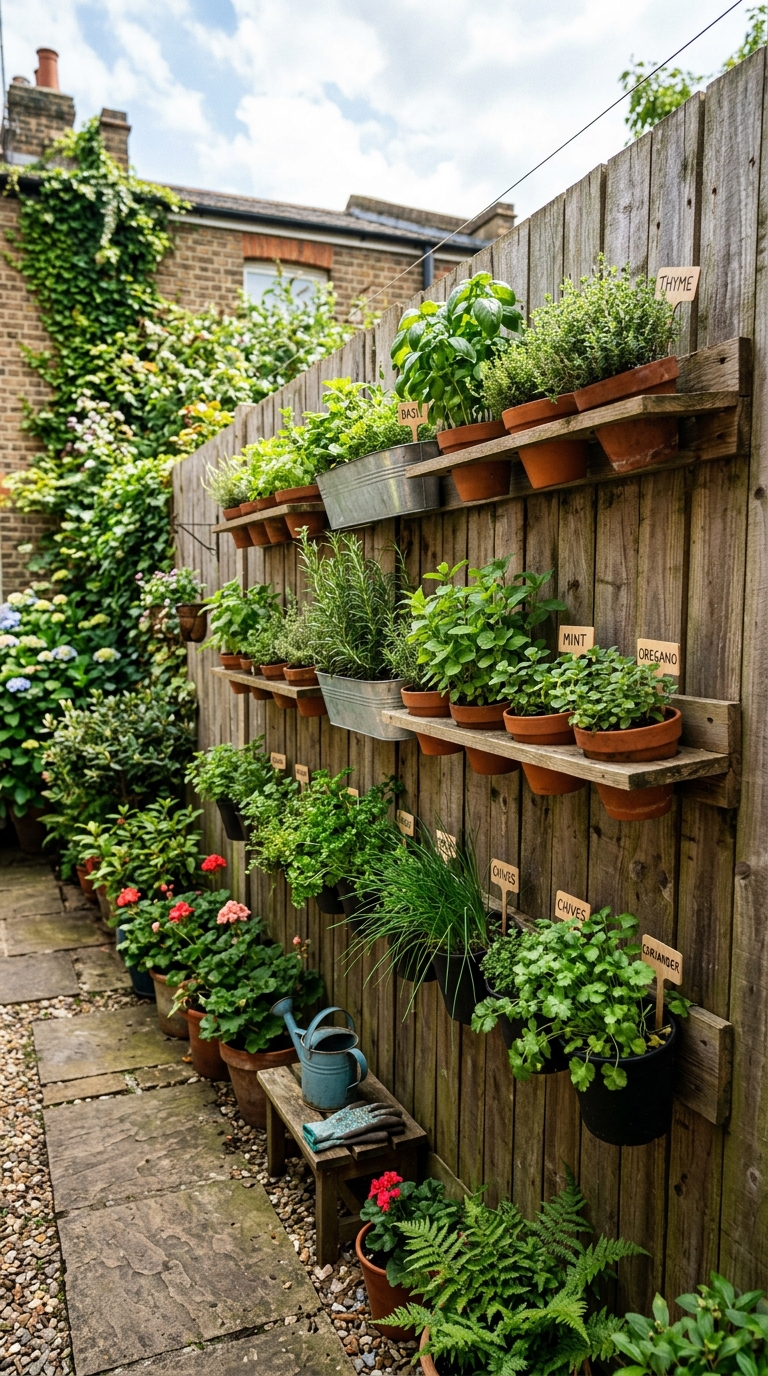
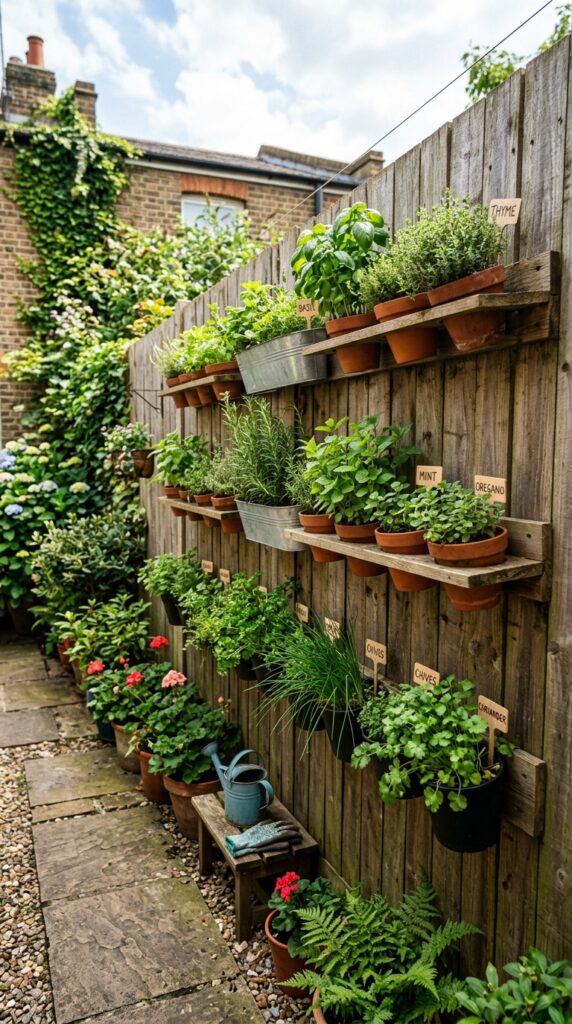
2. Vertical Wall Herb Garden
If space is tight, go vertical. A wall-mounted herb garden turns even a small area into a lush, functional growing zone.
Install wooden pallets, hanging pockets, or tiered shelves. Arrange herbs based on sunlight needs:
- Top: Rosemary (loves full sun)
- Middle: Basil
- Bottom: Mint (prefers slightly shaded conditions)
This setup not only saves space but also creates a visually stunning green wall right outside your kitchen.
3. Raised Herb Bed Near the Kitchen
If you have a backyard, a raised garden bed just outside your kitchen door is a game-changer.
Divide the bed into sections:
- Italian corner: Basil, oregano, thyme
- Tea corner: Mint, lemon balm
- Roasting herbs: Rosemary, sage
This organization helps you think in terms of cooking styles, not just plants.
4. Hanging Basket Herb Garden
Hanging baskets are perfect if you want herbs close but off the ground.
Mint thrives in hanging baskets because it tends to spread aggressively. Keeping it elevated prevents it from taking over other plants.
Pair mint with trailing herbs like thyme for a cascading effect.
5. Kitchen Window Herb Extension
If your kitchen window opens outward, extend your herb garden just outside it.
Install a sturdy window box and grow:
- Basil for quick pasta or pizza
- Parsley for garnishing
- Chives for eggs and soups
You can literally reach out while cooking and grab what you need.
6. Rolling Herb Cart
A rolling cart gives you flexibility. Place it outside during the day for sunlight, then move it closer to the kitchen when cooking.
This is especially useful in areas with changing weather.
Stock it with:
- Basil (for sauces and salads)
- Mint (for drinks and desserts)
- Rosemary (for meats and roasted vegetables)
Think of it as your mobile flavor station.
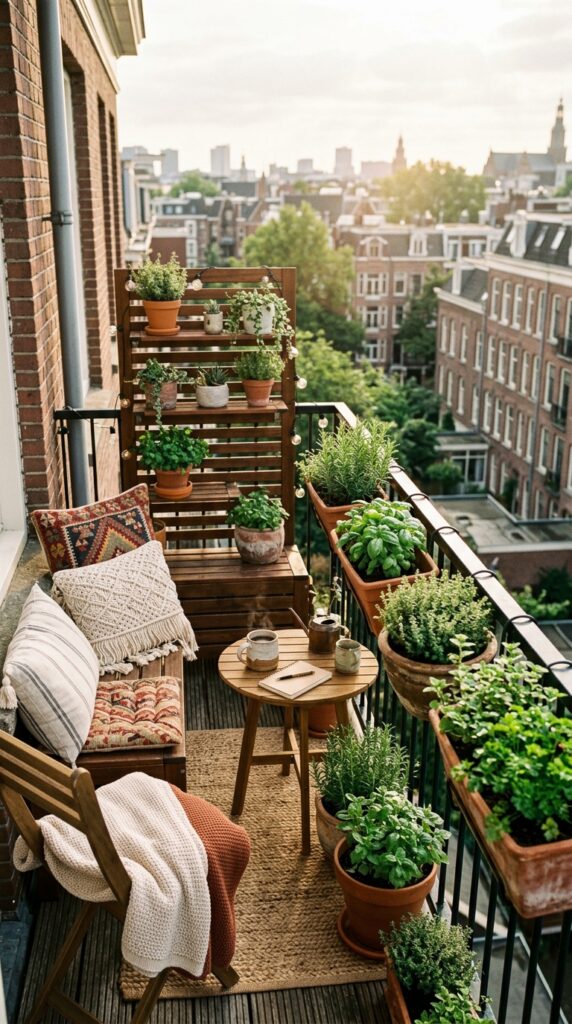
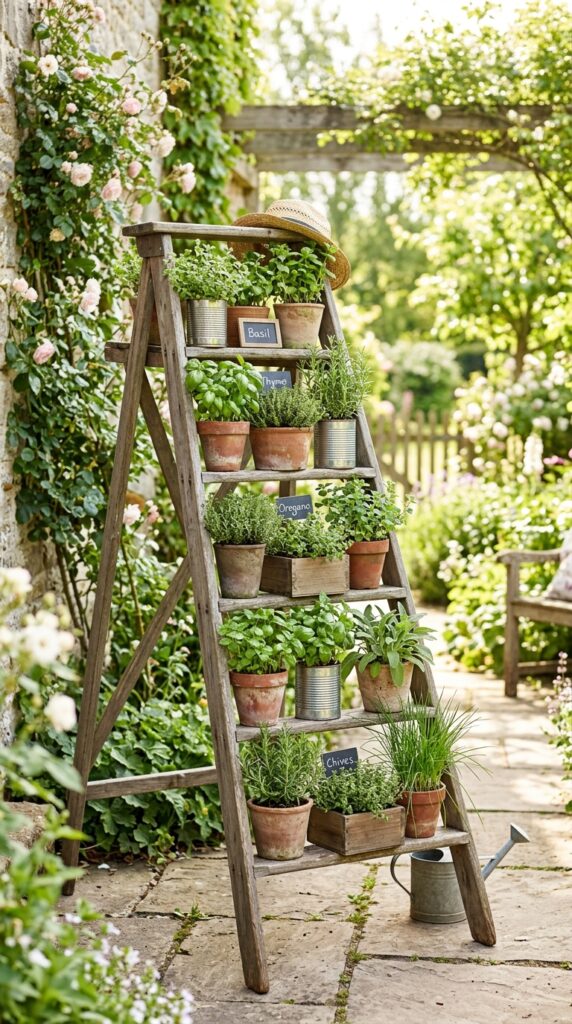
7. Tiered Ladder Garden
A wooden ladder shelf creates a stylish and functional herb display.
Arrange herbs by usage frequency:
- Middle tier: Basil (most used)
- Top tier: Rosemary
- Bottom tier: Mint
This layout keeps your most-used herbs at eye level.
8. Herb Spiral Garden
For something unique, try a spiral-shaped herb bed. It creates microclimates for different herbs.
- Top (dry and sunny): Rosemary
- Middle: Basil
- Bottom (moist): Mint
This design is both practical and visually striking, making your garden feel like a mini landscape feature.
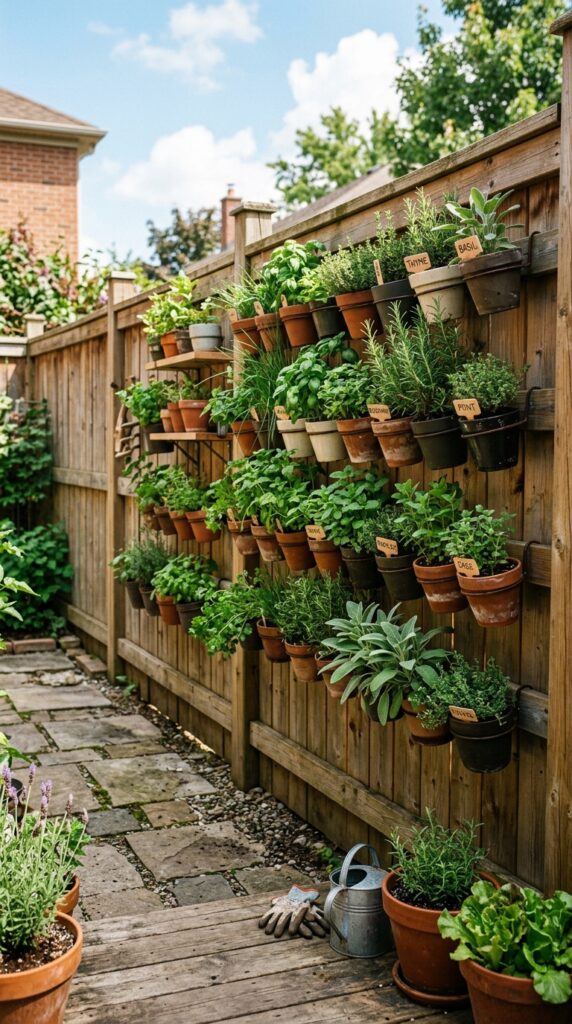
9. Fence-Mounted Herb Garden
If your kitchen opens to a fenced area, use that vertical space.
Attach pots or containers directly to the fence and grow your everyday herbs.
This keeps everything organized and off the ground while still being easily accessible.
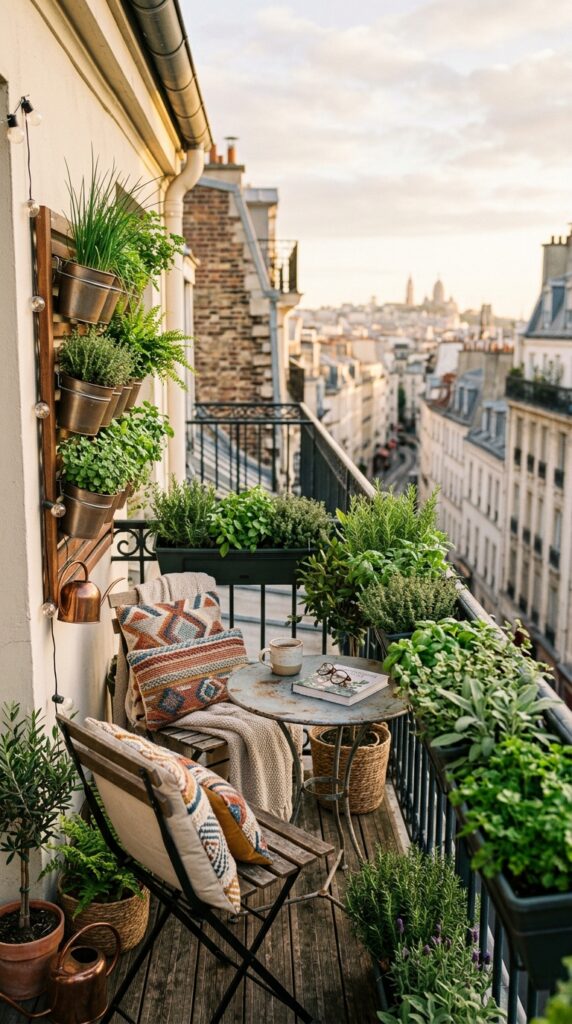
10. Compact Balcony Herb Corner
Even a tiny balcony can become a herb haven.
Use corner shelves or stackable pots and focus on essentials:
- Basil
- Mint
- Rosemary
These three alone can transform your cooking routine.
11. Recycled Container Herb Garden
Old buckets, jars, and tins can become charming herb containers.
This approach is budget-friendly and adds personality to your garden.
Just make sure to:
- Drill drainage holes
- Use quality soil
- Place containers in sunlight
12. Herb Garden with Built-in Seating
Combine comfort with functionality by placing your herb garden around a small seating area.
Imagine sipping tea surrounded by fresh mint, basil, and rosemary.
This setup turns your herb garden into a lifestyle space, not just a utility.
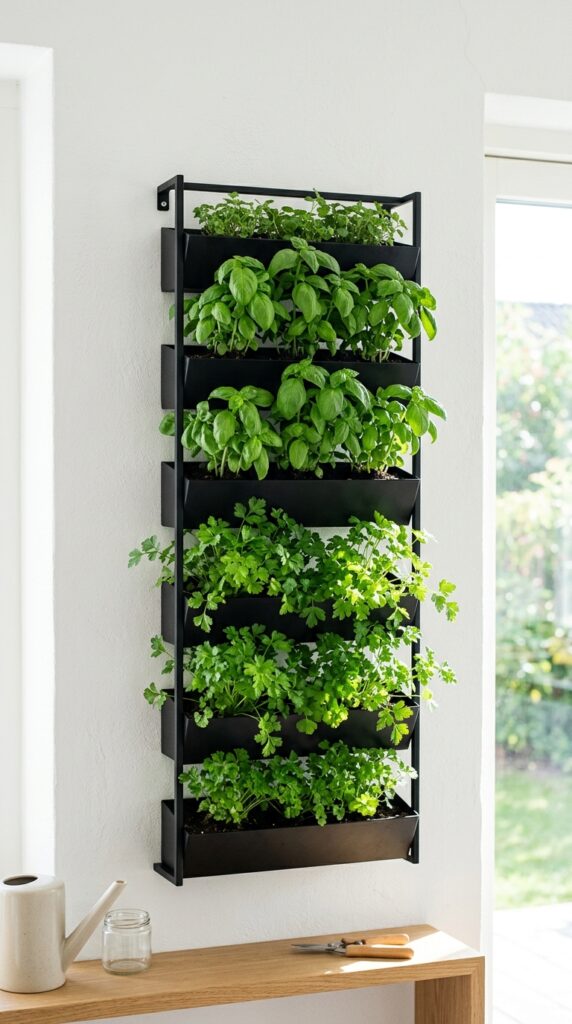
13. Kitchen Pathway Herb Borders
Line the path leading to your kitchen door with herbs.
Every time you walk in, you brush against fragrant leaves.
Plant:
- Basil along one side
- Mint along the other
- Rosemary at intervals
This creates a sensory experience that enhances your daily routine.
14. Smart Irrigation Herb Garden
If you’re busy, install a drip irrigation system.
This ensures your herbs stay healthy with minimal effort.
It’s especially helpful for:
- Basil (needs consistent watering)
- Mint (loves moisture)
- Rosemary (needs less frequent watering but good drainage)
Automation keeps your garden thriving even when life gets hectic.
15. Herb Garden + Outdoor Cooking Station
Take things to the next level by combining your herb garden with an outdoor cooking area.
Place herbs right next to your grill or prep table.
Cooking becomes interactive:
- Grab rosemary for grilled chicken
- Add basil to fresh salads
- Use mint for refreshing drinks
This setup turns cooking into an experience, not just a task.
Best Herb Combinations for Cooking
Now let’s focus on what really matters—how these herbs work together in real recipes.
Basil + Mint: Fresh and Vibrant
This combination is perfect for:
- Summer salads
- Lemonade and mojitos
- Fruit dishes
Try this simple idea:
Chop basil and mint, mix with lemon juice, honey, and water for a refreshing drink.
Basil + Rosemary: Balanced Flavor
Basil is soft and sweet, while rosemary is strong and earthy.
Use them together for:
- Roasted vegetables
- Chicken dishes
- Pasta sauces
A quick recipe:
Roast potatoes with olive oil, garlic, rosemary, and finish with fresh basil on top.
Mint + Rosemary: Unexpected but Powerful
This combo works surprisingly well in:
- Lamb dishes
- Herbal teas
- Marinades
The freshness of mint balances the intensity of rosemary.
Basil + Mint + Rosemary: The Ultimate Trio
When combined thoughtfully, these three herbs can create complex flavors.
Use them in:
- Infused oils
- Herb butter
- Grilled dishes
For example:
Mix chopped basil, mint, and rosemary with butter, garlic, and salt. Spread it over grilled meat or bread.
Tips for Growing a Successful Kitchen Herb Garden
1. Start Small
Don’t overwhelm yourself. Begin with 3–5 herbs you actually use.
2. Prioritize Sunlight
Most herbs need 6–8 hours of sunlight daily.
3. Water Smartly
- Basil: Regular watering
- Mint: Moist soil
- Rosemary: Less frequent watering
4. Harvest Regularly
Frequent harvesting encourages growth and keeps plants healthy.
5. Use Good Soil
Herbs thrive in well-draining, nutrient-rich soil.
How This Improves Your Cooking Lifestyle
Once you have a kitchen herb garden, your cooking naturally evolves.
You start experimenting more. Meals become fresher, more flavorful, and more personal. Even simple dishes feel elevated.
Instead of cooking out of routine, you cook with inspiration.
Final Thoughts
A kitchen herb garden isn’t just about growing plants—it’s about creating a lifestyle of convenience, freshness, and creativity.
Whether you choose a simple row of pots or a fully designed outdoor herb space, the key is accessibility. Keep your herbs close, easy to grab, and aligned with what you love to cook.
Start with basil, mint, and rosemary. These three alone can completely transform your meals.
And once you experience the joy of stepping outside your door to harvest fresh herbs, you’ll wonder how you ever cooked without it.