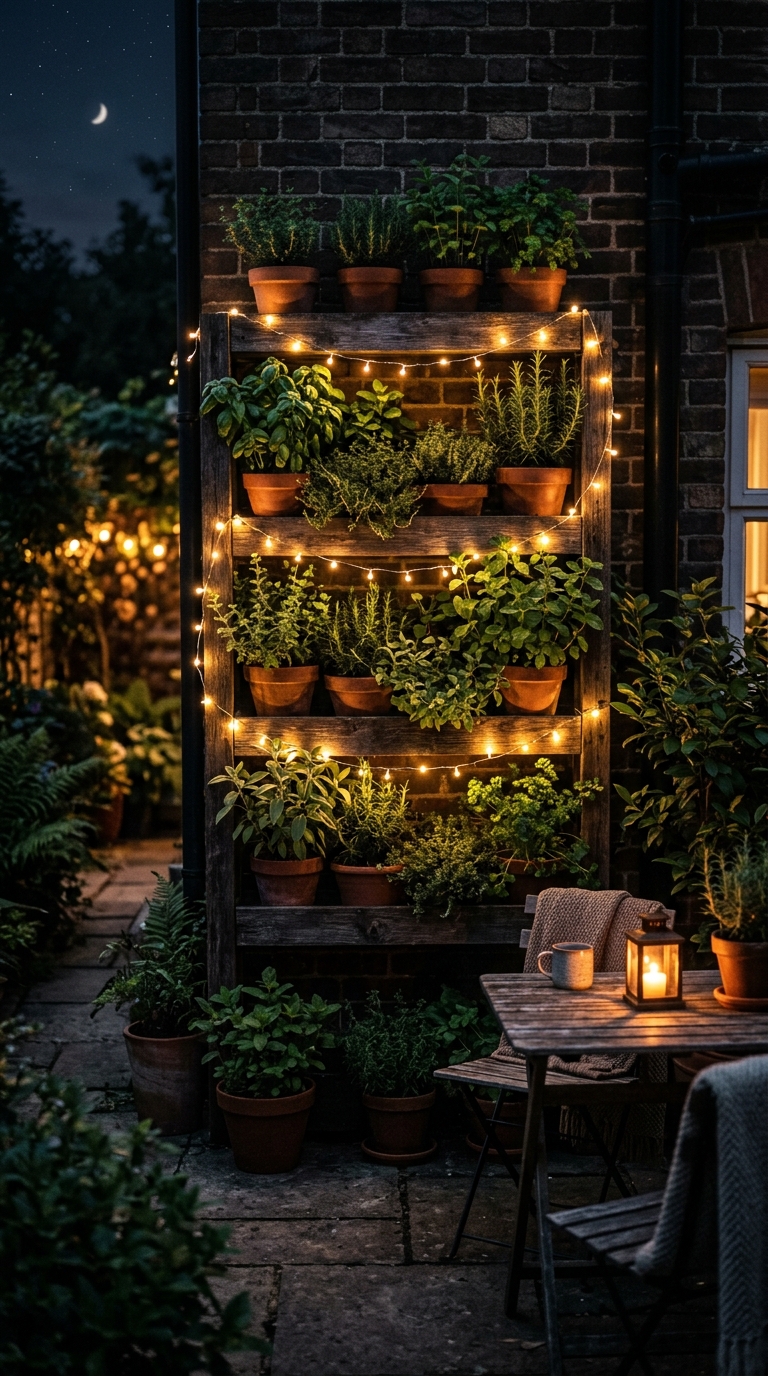
If you’ve ever looked at your small backyard and thought, “There’s just no room to garden,” you’re not alone. Limited space is one of the biggest barriers people face when trying to grow their own plants, flowers, or vegetables. But here’s the good news: you don’t need more space—you just need smarter design.
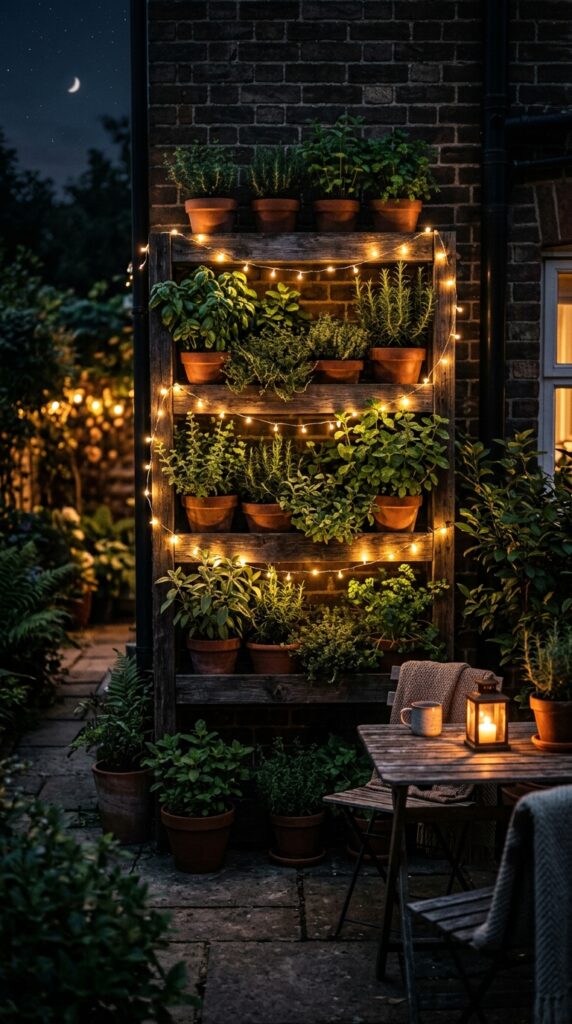
Vertical gardening is one of the most effective ways to transform even the tiniest outdoor area into a lush, productive, and visually stunning green space. By growing upward instead of outward, you can dramatically increase your planting capacity while keeping your backyard neat and organized.
And the best part? Vertical gardens aren’t just for herbs anymore. You can grow everything from vibrant flowers to fresh vegetables and even small fruits.
In this guide, we’ll explore 20 creative and practical vertical garden ideas designed specifically for small backyards. Whether you want something DIY, budget-friendly, or Pinterest-worthy, there’s something here for you.
Why Vertical Gardening Works So Well in Small Backyards
Before diving into the ideas, it’s worth understanding why vertical gardening is such a game-changer.
First, it maximizes space. Instead of spreading plants across the ground, you use walls, fences, railings, and structures.
Second, it improves airflow and sunlight exposure, which often leads to healthier plants.
Third, it reduces pests and soil-related diseases, since many plants are elevated off the ground.
And finally, vertical gardens simply look stunning. They turn plain walls into living art.
1. Wall-Mounted Planter Boxes
One of the simplest ways to start is by installing planter boxes directly onto a wall or fence.
You can arrange them in neat rows or stagger them for a more organic look. These are perfect for:
- Leafy greens like lettuce and spinach
- Strawberries
- Flowers like petunias and pansies
Pro tip: Use lightweight soil and ensure proper drainage to avoid water damage to your wall.
2. Wooden Pallet Garden
A recycled wooden pallet can easily become a vertical garden.
Just add landscape fabric to the back, fill with soil, and plant between the slats. Lean it against a wall or mount it securely.
Great for:
- Herbs
- Succulents
- Small flowering plants
This is one of the most affordable DIY options—and it looks rustic and stylish.
3. Hanging Basket Tower
Instead of placing baskets horizontally, stack them vertically using a central pole or chain.
This creates a cascading effect that’s perfect for:
- Trailing flowers like ivy or begonias
- Cherry tomatoes
- Strawberries
It adds both height and movement to your garden.
4. Trellis with Climbing Plants
A trellis is a must-have for vertical gardening.
Install it against a wall or use it as a divider. Then grow climbing plants like:
- Cucumbers
- Beans
- Peas
- Morning glories
This is one of the most efficient ways to grow vegetables in a small backyard.
5. Vertical PVC Pipe Garden
PVC pipes can be transformed into vertical planters by cutting holes along their length.
Stand them upright or mount them horizontally.
Best for:
- Lettuce
- Herbs
- Strawberries
It’s compact, modern-looking, and surprisingly productive.
6. Ladder Plant Stand
An old wooden ladder can become a tiered vertical garden.
Each step holds pots, creating a layered display.
Use it for:
- Mixed flowers
- Decorative plants
- Small vegetable containers
It’s perfect if you want something movable and flexible.
7. Pocket Fabric Planters
These are fabric panels with multiple pockets that hang on walls.
Each pocket holds a plant, making them ideal for:
- Herbs
- Leafy greens
- Compact flowers
They’re lightweight and easy to install—perfect for renters.
8. Gutter Garden System
Repurpose old gutters by mounting them horizontally on a fence or wall.
Stack several rows to create a vertical system.
Perfect for:
- Lettuce
- Spinach
- Radishes
This method gives you a clean, modern look while maximizing planting space.
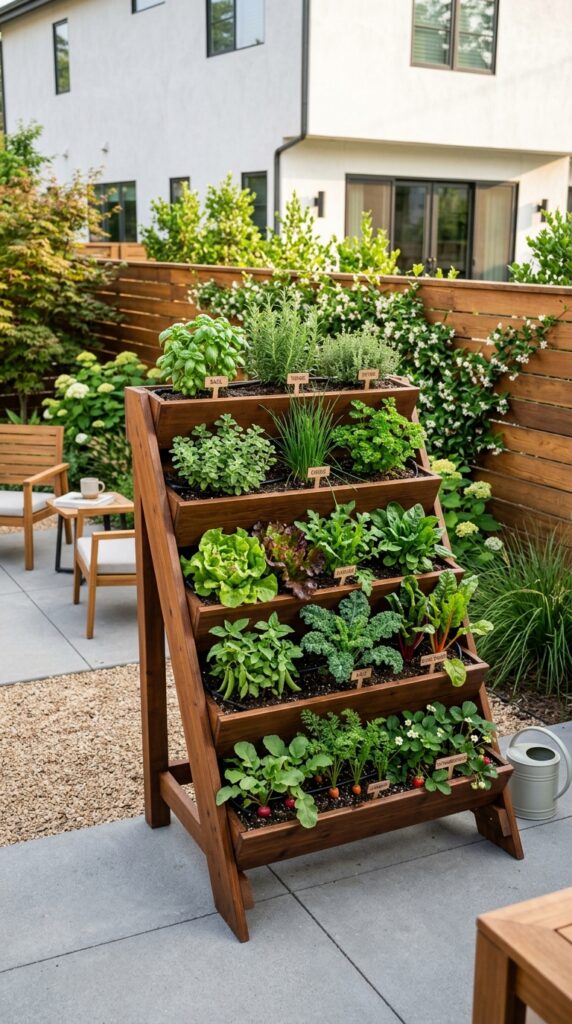
9. Vertical Raised Bed Frame
Think of this as a raised garden bed turned upright.
You build a wooden frame with multiple planting levels.
Great for:
- Mixed vegetables
- Herbs
- Compact flowers
It’s more structured and ideal if you want a long-term solution.
10. Hanging Shoe Organizer Garden
Yes, even a shoe organizer can become a vertical garden.
Hang it on a wall or fence and fill each pocket with soil.
Best for:
- Herbs
- Lettuce
- Small flowers
It’s budget-friendly and surprisingly effective.
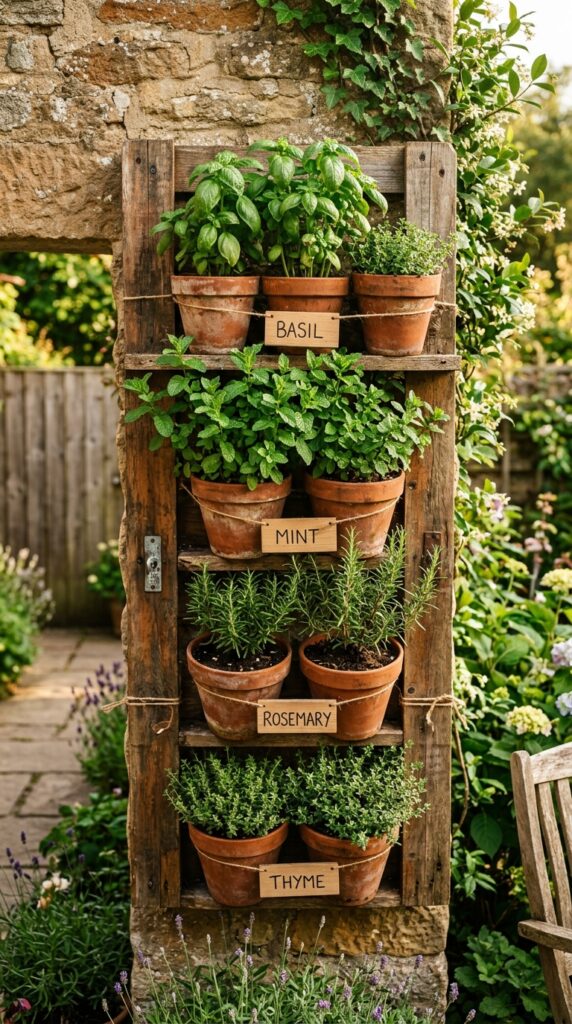
11. Fence-Mounted Pots
If you already have a fence, use it.
Attach pots or small containers directly to the fence.
This works well for:
- Flowers for color
- Herbs near your kitchen
- Decorative plants
It turns a plain fence into a living feature.
12. Stackable Planters
Stackable planters are designed to sit on top of each other, forming a vertical tower.
They’re perfect for:
- Strawberries
- Herbs
- Lettuce
They’re compact and easy to manage—great for beginners.
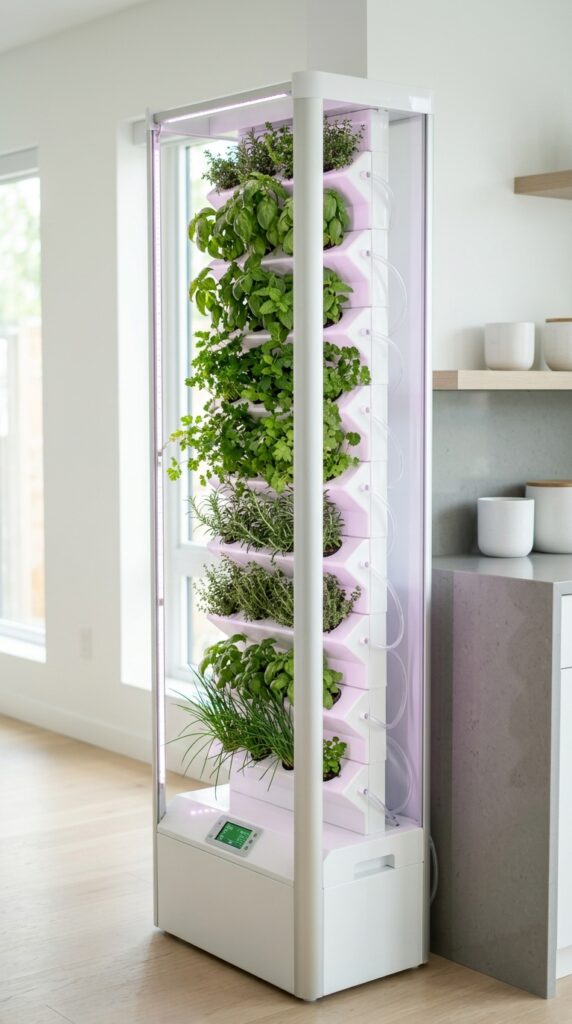
13. Vertical Hydroponic System
If you want to take things to the next level, try hydroponics.
Plants grow without soil in a nutrient-rich water system.
Ideal for:
- Lettuce
- Herbs
- Spinach
It’s efficient, clean, and produces fast growth.
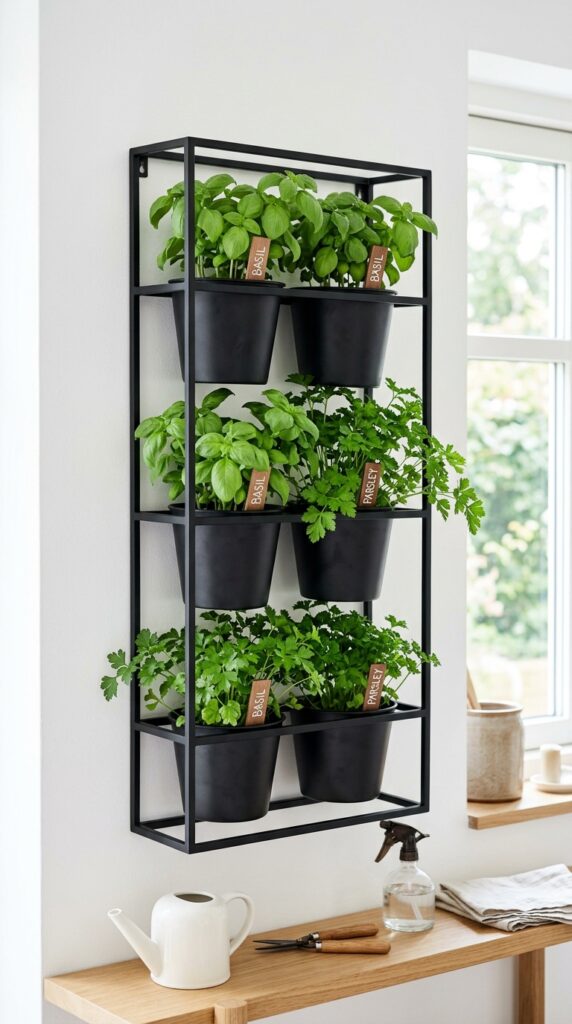
14. Hanging Rail Garden
Install a metal or wooden rail system on a wall and hang pots from hooks.
This gives you flexibility to rearrange plants easily.
Use it for:
- Mixed herbs
- Flowers
- Decorative greenery
It also makes watering and maintenance easier.
15. A-Frame Vertical Garden
An A-frame structure provides two slanted sides for planting.
You can attach pots, shelves, or fabric pockets.
Great for:
- Vegetables
- Flowers
- Herbs
It’s freestanding, so no wall is needed.
16. Vertical Garden Arch
Combine beauty and function with an arch covered in climbing plants.
Perfect for:
- Beans
- Roses
- Cucumbers
It creates a stunning focal point while saving space.
17. Recycled Bottle Garden
Plastic bottles can be turned into hanging or wall-mounted planters.
Cut openings, add soil, and hang them in rows.
Best for:
- Herbs
- Small greens
It’s eco-friendly and very affordable.
18. Tiered Plant Shelf
A simple shelf system can act as a vertical garden.
Arrange plants at different heights for better sunlight exposure.
Use it for:
- Potted vegetables
- Flowers
- Indoor-outdoor plants
It’s clean, organized, and easy to expand.
19. Living Wall Panels
Pre-made living wall systems are designed for vertical gardening.
They often include built-in irrigation.
Perfect for:
- Decorative greenery
- Herbs
- Flowers
This is the most polished and professional-looking option.
20. Hanging Pergola Garden
If you have a pergola or overhead structure, don’t let that space go to waste.
Hang pots, baskets, or trailing plants from above.
Ideal for:
- Hanging flowers
- Tomatoes
- Vines
It creates a lush canopy effect in a small backyard.
Best Plants for Vertical Gardening
Not all plants are equally suited for vertical systems. Here are some of the best choices:
Vegetables
- Lettuce
- Spinach
- Kale
- Cherry tomatoes
- Cucumbers
- Peppers
Fruits
- Strawberries
- Small berry varieties
Flowers
- Petunias
- Begonias
- Marigolds
- Nasturtiums
Herbs
- Basil
- Mint
- Rosemary
- Thyme
Choosing the right plants ensures your vertical garden thrives.
Tips for a Successful Vertical Garden
1. Prioritize Sunlight
Make sure your vertical setup gets enough sunlight. South-facing walls usually work best.
2. Use Lightweight Soil
Heavy soil can strain structures. Use a light potting mix instead.
3. Ensure Proper Drainage
Water needs somewhere to go. Always include drainage holes.
4. Water More Frequently
Vertical gardens dry out faster than traditional beds.
5. Choose the Right Structure
Match your setup to your plants. Climbing vegetables need trellises, while herbs work better in pockets or small containers.
Common Mistakes to Avoid
- Overcrowding plants
- Ignoring weight limits
- Poor watering systems
- Choosing plants that grow too large
- Not securing structures properly
Avoiding these mistakes will save you time and frustration.
Final Thoughts
A small backyard doesn’t mean giving up on gardening—it just means getting creative.
Vertical gardening opens up a world of possibilities. You can grow fresh vegetables, colorful flowers, and fragrant herbs—all in a compact, efficient space.
Start small. Try one or two ideas from this list, see what works for your space, and expand from there. Before you know it, your tiny backyard could turn into a thriving vertical oasis that looks like it came straight off Pinterest.
And honestly, once you start growing upward, you’ll never look at space the same way again. Export Message as PDF